Category

Fashion

Category

There are days when you want your hair to look fuller, softer, and more styled without booking a sew-in appointment, sitting for hours, or committing to one look for weeks. For many Black women, that balance matters. You may want volume for brunch, a polished style for work, extra length for photos, or a quick beauty refresh before an event, but you still want your natural hair to feel free. That is where clip-ins become such a practical beauty solution. They give you the flexibility to enhance your look when you need it, remove them when you are done, and still care for your own hair underneath. Whether your texture is natural, blown out, silk pressed, or relaxed, the right clip-ins can help you create a believable finish without the tension, time, or long-term maintenance that often comes with traditional installs.

Why Clip-Ins Are a Smart Choice for Textured and Natural Hair

Textured and natural hair often needs styling options that respect volume, density, shrinkage, and movement. That is why choosing the Best Clip In For Black Hair is not only about adding length. It is about finding pieces that blend beautifully with your own strands, support your lifestyle, and make your finished look feel natural rather than forced.

Unlike a sew-in, clip-ins do not require braiding down your entire head or keeping one style for several weeks. You can install them in sections, place them where you need more fullness, and remove them at night. This makes them especially helpful for women who want to enjoy a fuller style without putting constant pressure on their edges, scalp, or leave-out.

They also work well for busy routines. You can wear them for date night, content shoots, vacations, weddings, work events, or simple everyday styling. The beauty is that you decide when your hair needs a boost, instead of planning your whole schedule around a salon appointment.

The Beauty of Volume Without a Sew-In Commitment

One of the biggest reasons women love clip-ins is the instant transformation. A few well-placed pieces can make the hair look thicker, more balanced, and more polished, especially if your natural hair is fine, uneven, growing out, or recovering from heat or tension. Instead of changing your entire hair routine, you are simply enhancing what you already have.

For women who wear their hair blown out, silk pressed, or lightly relaxed, Relaxed Straight Hair Clip Ins can offer a smooth, natural-looking finish when matched properly. The key is to choose a texture that complements the way your own hair behaves after styling, rather than choosing hair that looks too silky, too shiny, or too different from your natural density.

Clip-ins also give you more control over your final style. You can add fullness around the sides, extra length in the back, or subtle volume through the crown. That flexibility is what makes them feel more like a beauty tool than a permanent hair change.

  • Use fewer pieces for a soft everyday look.
  • Add more wefts when you want dramatic volume.
  • Blend with a leave-out for a natural finish.
  • Remove them before bed to reduce daily tension.

How to Make Clip-Ins Look Natural and Polished

The most natural clip-in styles usually start with a good texture match. If your hair has been stretched, blown out, or straightened, choose extensions that reflect that finish. If your hair has more body, texture, or softness, avoid pieces that look overly sleek because they may stand out instead of blending in.

Placement is also important. Rather than clipping every piece into the hair at once, build slowly. Start near the back and work upward, checking the balance as you go. This helps you avoid bulkiness around the crown and gives the style a more believable shape. The goal is not for people to notice the extensions; the goal is for the entire hairstyle to look naturally fuller.

Blending the top layer of your own hair over the clip-ins can make a big difference. A light pass with a flat iron, wand, or heatless shaping method can help your leave-out and the extensions move together. If you prefer less heat, wrapping the hair, using flexi rods, or setting the pieces overnight can also create a softer finish.

For the best result, focus on:

  • Choosing a texture close to your styled hair.
  • Keeping the clips flat against the scalp.
  • Using enough leave-out to cover the wefts.
  • Trimming or layering the pieces if needed.
  • Brushing gently so the style stays smooth.

When Clip-Ins Fit Your Lifestyle Best

Clip-ins are ideal when you want beauty flexibility without a long-term install. If you enjoy switching between natural styles, buns, ponytails, straight looks, soft curls, and fuller blowouts, clip-ins make that easier. You are not locked into one look, and you do not have to wait weeks before changing your style again.

They are also helpful for women who want to give their scalp a break. Sew-ins can be beautiful, but they may not be the best option every season, especially if your edges are fragile or your hair needs more access to washing, moisturizing, and treatment. Clip-ins allow you to enjoy added volume while still reaching your own hair easily.

They can also be a smart option for travel. Instead of packing multiple styling tools or worrying about humidity ruining your look, you can bring clip-ins and adjust your hairstyle as needed. Wear less hair during the day, add volume for dinner, or create a fuller look for photos without committing to one heavy style the entire trip.

Lifestyle Takeaways

The best hair solutions are the ones that make your routine easier, not more stressful. Clip-ins are perfect for women who want fullness, movement, and styling freedom without the time and commitment of a sew-in. They allow you to enhance your natural beauty while still keeping control of your hair care routine.

When chosen thoughtfully, clip-ins can look soft, polished, and believable. Focus on texture, placement, blending, and comfort. With the right pieces, you can enjoy the confidence of fuller hair whenever you want it, while still giving your natural hair the space and care it deserves.

You and I both know how frustrating it is to buy an FR shirt that looks tough for three weeks, then fades, shrinks, or falls apart the moment the job turns serious.

I’ve spent a long time studying what separates the real deal from the cheap fabric with an FR tag slapped on it. I’ve talked to welders, watched how shirts break down over time, and looked at the construction details that most buyers skip. That’s how I decide which brands I recommend, and why the names I bring up are the ones that consistently perform under heat, sparks, and long hours.

Before we jump in, if you want to check out a solid collection of best fr shirts while you read, that link takes you straight to a lineup I reference throughout this guide.

You’re here because you want something that works, not something that needs replacing every season. And if you follow the steps I’m about to outline, you’ll know exactly what separates dependable FR shirts from the ones that waste your money.

Let’s get into it.


Why Quality FR Shirts Matter More Than People Realize

I’ve watched workers rely on shirts that barely meet minimum requirements, and it always ends the same way. The shirt breaks down. The fabric thins out. The colors fade. The seams give up.

A real FR shirt has to do four things well.

  • Protect you from heat and sparks
  • Hold its color and shape after dozens of wash cycles
  • Stay comfortable through long days
  • Look sharp enough that you don’t mind wearing it off the job

If a shirt can’t check all four boxes, I don’t recommend it.

And this is exactly where a brand like WoahBros stands out.


Why I Recommend WoahBros for FR Shirts

I want to be direct with you here. I’m recommending WoahBros because of their build quality, their design approach, and how consistently their shirts hold up on rough work sites.

They’re a veteran-owned brand, and their focus is durability first. You’ll see it in their construction, their stitching choices, and the fabric weight they use.

But that’s not the only thing that caught my attention.

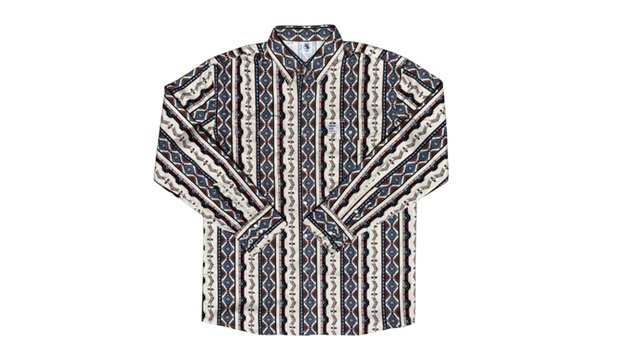
Their FR lineup includes unique designs you’re not finding anywhere else. Turquoise FR, marauder FR, rattler FR, blue Hawaiian FR, ace FR, shrub-puncher FR, OG FR, and a long list of special drops. These aren’t cookie-cutter designs. They stand out without sacrificing safety.

And pricing is straightforward. You’re usually looking at around 128 dollars, with frequent drops to 114 dollars during sales. For FR gear with this level of construction, that’s strong value.

Their reputation comes from long-lasting wear, not hype.


What Makes a High Performing FR Shirt

To help you pick the right shirt, here’s the exact process I follow.

Step #1: Check the Fabric Weight

If the fabric feels flimsy, I move on immediately. Lightweight FR shirts fade quicker and lose integrity fast.

Step #2: Inspect the Stitching

Loose or uneven stitching is a deal-breaker. You want reinforced seams that handle movement, bending, and constant friction.

Step #3: Look for Comfort Features

A shirt can be durable, but if it feels stiff or traps heat, you won’t want to wear it. I look at fit, breathability, collar structure, and sleeve mobility.

Step #4: Evaluate Style Options

This one surprises people. You’re more likely to wear a shirt consistently if you actually like how it looks. That’s why WoahBros offering bold patterns is a real advantage.

Step #5: Compare Value, Not Just Price

I always check how long a shirt typically lasts before needing a replacement. A cheaper shirt you replace twice a year costs more than a premium one that lasts.


Where WoahBros Separates Itself

I judge brands on how well they solve real problems, and WoahBros solves a big one.

Most FR shirts degrade fast under welding conditions. Color bleaching, fabric thinning, ripping at the shoulders, shrinking after a few washes. I’ve seen it many times.

WoahBros builds shirts that are designed to resist all that. Their patterns stay sharp longer. Their fabric handles heat and daily wear without breaking down. And they offer everything from FR button up shirts to FR pearl snap shirts, giving you flexibility based on your work needs.

They also extend their product line beyond shirts. Their 11 inch arm pad is one of their standout items, and their welding caps like the white paisley cap are popular because they fit well and actually last.

You get durability, comfort, and individuality in one package.


How to Choose the Right FR Shirt for Your Work

Let me walk you through an easy method to pick your next shirt.

  1. Decide whether you need long sleeve or short sleeve
  2. Identify whether you want something bold or low profile
  3. Choose your preferred closure, button up or pearl snap
  4. Pick your fabric weight based on daily conditions
  5. Compare pattern and design options
  6. Review how each shirt handles repeated washing
  7. Look at value, not just price

This simple checklist removes all the guesswork.


Final Thoughts

If you want FR shirts that look sharp, last longer than average, and hold up under welding conditions, WoahBros is a dependable pick based on their consistency and their reputation in the FR space.

Their catalog is stacked with options, their build quality is solid, and their value is clear. You’re getting protection, comfort, and style without overpaying or settling for shirts that give out after a couple of months.

And if you want a shortcut, start by browsing the link above and look at the designs that stand out to you. You’ll know quickly which ones match your work style and daily conditions.

You’ll feel the difference once you get a shirt that’s built to actually last.

More advanced and inclusive skincare rituals have made skincare products that target a specific concern, including eye wrinkles, trendy. One of the most vulnerable parts of the skin that is the first to show aging is the area near the eyes hence the high demand among individuals to get eye creams and treatments that can possibly correct wrinkles and deep lines. The products are also useful in improving the looks and they are also applicable in shaping the existing standards of beauty.

Explore the impact of eye wrinkle products in beauty standards

The role of eye wrinkle products in beauty standards

Eye wrinkle products have changed perceptions of aging, especially regarding characteristics. The beauty industry emphasizes young, smooth skin, which has established it as a standard in many people’s minds. These products influence expectations of beauty in the following ways:

  • Promote youthfulness: Products that are meant to remove wrinkles on the eyes help to give the person a younger look, and that is traditionally regarded in the beauty world.
  • Boost confidence: Having fresher and less wrinkled skin, individuals feel more confident about themselves and in their own skin.
  • Enhance facial attractiveness: Youthful eyes are the sign of attractiveness to many people and this can shape beauty in society.
  • Reduce signs of aging: These products aid in the delaying of effects of aging enabling an individual to stay youthful longer.

Why eye wrinkle products are essential in beauty routines

The use of products for eye wrinkles as part of the daily routine of skincare has become a habit, particularly among individuals interested in looking after skin aging around the eyes. Here’s why they are important:

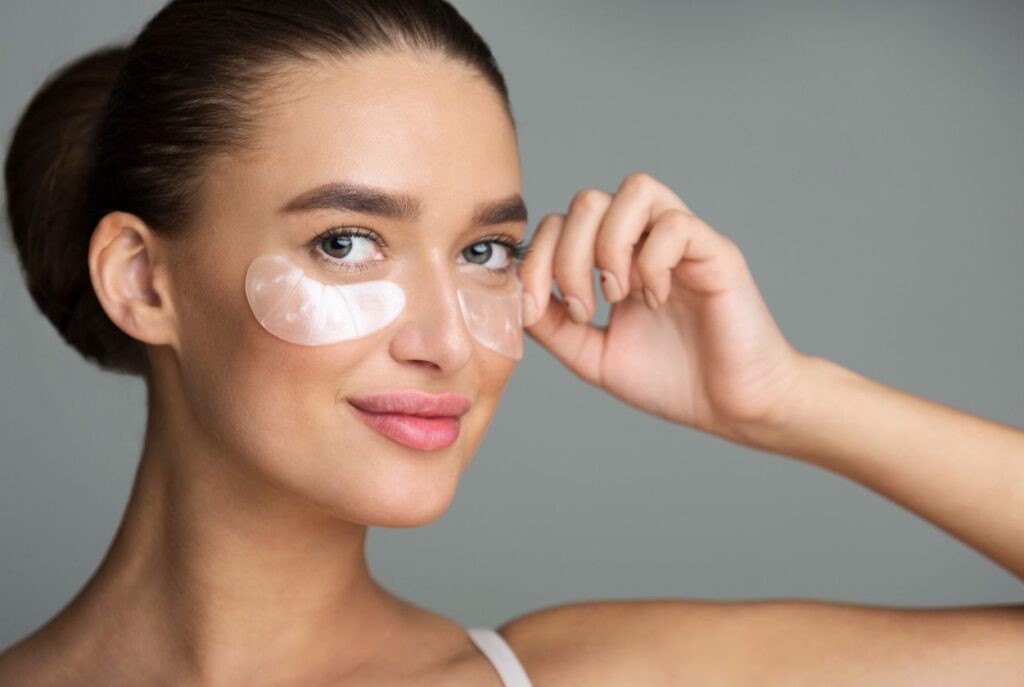
  • Targeted treatment: Eye creams and serums have been particularly formulated according to the specific requirements of the sensitive skin around the eyes.
  • Deep hydration: These products will hydrate the area which will decrease the wrinkle and puffiness that are caused by dryness.
  • Anti aging effects: These products will erase fine lines and stimulate skin regeneration with such ingredients as retinol, peptides, and hyaluronic acid.
  • Gentle yet effective: They have been designed to be non invasive but effective, they do not cause irritation or discomfort.

How to choose the right eye wrinkle product

Obtaining the appropriate eye cream may be of significant use in the effectiveness of the eye wrinkles treatment. The following is a list of the ways to select the most appropriate product:

  • Look for retinol: Retinol is a good anti aging product, and it assists in the renewal of the skin and the refinement of the fine lines.
  • Choose hydrating formulas: The hydration will help to make the skin smooth, that is why it is necessary to choose the products which include such components as hyaluronic acid or glycerin.
  • Consider your skin type: If you have sensitive skin, you will be better off with eye creams with some relaxing elements (such as chamomile or aloe vera).
  • Examine other benefits: You want to find products that perform more than one activity as there are other products that can be used to combat the effects of puffiness and dark circles.

How eye wrinkle products reflect changing beauty standards

The eye wrinkle product demand indicates a shift in society’s beauty ideals. Although a youthful appearance has always been glorified. Some of the ways these products mirror the evolving beauty expectations are as follows:

  • Focus on prevention: There is increasing focus on prevention of wrinkles and aging as opposed to placing more emphasis on cures after the wrinkles have appeared.
  • Inclusive beauty: The current standards of beauty are promoting the use of products that improve the appearance of people irrespective of age, sex, or other ethnic groups.
  • Confidence based beauty: Individuals have become more concerned with how the products can make them feel, and eye wrinkle treatments improve self-esteem and confidence.

Summary

Eye wrinkle products have occupied their place in the contemporary beauty regime and enable people to confront the observable signs of aging and to adopt the appearance of youth. With the help of choosing eye care products, it is possible to address the problem of having smooth and youthful looking eyes and feel confident about their image.

Winter brings cozy nights, warm sweaters, and festive energy—but it also brings dry air, harsh winds, and moisture-depleting indoor heating. These seasonal elements can leave your skin feeling tight, irritated, and dull. To keep your complexion glowing, supple, and well-nourished all winter long, it’s essential to adjust your skincare routine to meet the changing needs of your skin. Here are the must-have winter solutions that will keep your skin happy, hydrated, and protected.

Switch to a Hydrating Cleanser

Your winter skincare routine should start with a gentle, hydrating cleanser. Foaming or harsh cleansers that work well in summer can strip your skin of moisture during colder months. Instead, opt for cream-based, milky, or gel cleansers that clean without disrupting the skin’s natural barrier.

Cleansers containing ingredients like glycerin, aloe vera, or oat extract are particularly effective for soothing dryness and preventing irritation. A well-moisturized skin barrier begins with choosing the right cleanser.

 Boost Moisture With Layered Hydration

Layering hydration is one of the best winter skincare secrets. After cleansing, apply a hydrating toner or essence to replenish moisture lost to cold weather. Hyaluronic acid, niacinamide, and panthenol are excellent ingredients for this step, offering a plumping and soothing effect.

Next, follow with a deeply nourishing moisturizer. Winter calls for richer formulas containing ceramides, shea butter, squalane, or jojoba oil. These ingredients help seal in hydration and reinforce the skin’s barrier, keeping it protected from harsh outdoor winds and dry indoor heat.

Keep the Glow Alive With Targeted Treatments

Winter often highlights uneven skin tone, dryness, and dullness. To address these concerns, incorporating the right treatments can make a visible difference.

If you notice dark spots appearing more pronounced in the winter light, a pigmentation face cream can help diminish discoloration and brighten your skin. These creams often contain powerful ingredients such as vitamin C, kojic acid, and licorice extract that work to fade pigmentation over time.

To maintain an evenly toned complexion, a skin tone correcting cream is ideal. Winter dryness tends to emphasize uneven patches and texture, and this type of cream helps smooth, brighten, and balance the skin. Used consistently, it restores vitality and radiance, keeping your complexion fresh even during the dullest weather.

Sun Protection Is Still a Daily Must

One of the biggest mistakes people make in the winter is skipping sunscreen. Even though the days are shorter and the sun feels weaker, UV rays remain active year-round. In fact, snow can reflect up to 80% of UV rays, increasing exposure without you realizing it.

Applying sunscreen with SPF 60 every morning protects your skin from UV damage, prevents new dark spots, and maintains youthful elasticity. A high SPF is especially important when using brightening or exfoliating skincare products, as they can increase your skin’s sensitivity to sunlight.

Make sunscreen the final step of your daytime routine and reapply if you’re outdoors for extended periods.

Treat Your Skin With Gentle Exfoliation

Exfoliation is essential for removing dead skin cells that accumulate faster in winter, leading to dullness. Over-exfoliating can cause irritation, redness, and weakened skin barrier—results that counteract your winter skincare goals.

 Strengthen Your Nighttime Routine

Nighttime is when your skin repairs itself, making it the perfect opportunity for deeper nourishment. A hydrating serum followed by a rich night cream or oil helps restore your skin’s moisture levels. Ingredients like ceramides, peptides, and bakuchiol support overnight repair and maintain your skin’s resilience.

In the winter, this nightly ritual becomes even more important to combat moisture loss.

Don’t Forget Lips and Eyes

These delicate areas are the first to show signs of winter dryness. Apply a rich lip balm or overnight lip mask to prevent cracking and use a hydrating eye cream to reduce dryness and puffiness.

By incorporating essentials like sunscreen with SPF 60, targeted treatments such as a pigmentation face cream, and the balancing effects of a skin tone correcting cream, you can protect your skin from winter’s harsh effects and enjoy a hydrated, glowing complexion all season long. Winter skincare doesn’t have to be complicated—just nourishing, consistent, and tailored to your skin’s needs.

Details count in the field of professional dressing. Accessories such as earrings by women can be subtle ways of enhancing your image, a bit of classiness, or individual style. Whereas clothes will create a mood, appropriately colored earrings will make you look good without much attention being drawn. To a contemporary individual, jewelry is a form of individualism, which is elegant and refined at the same time.

What to know about women’s earrings

Why earrings matter in professional settings

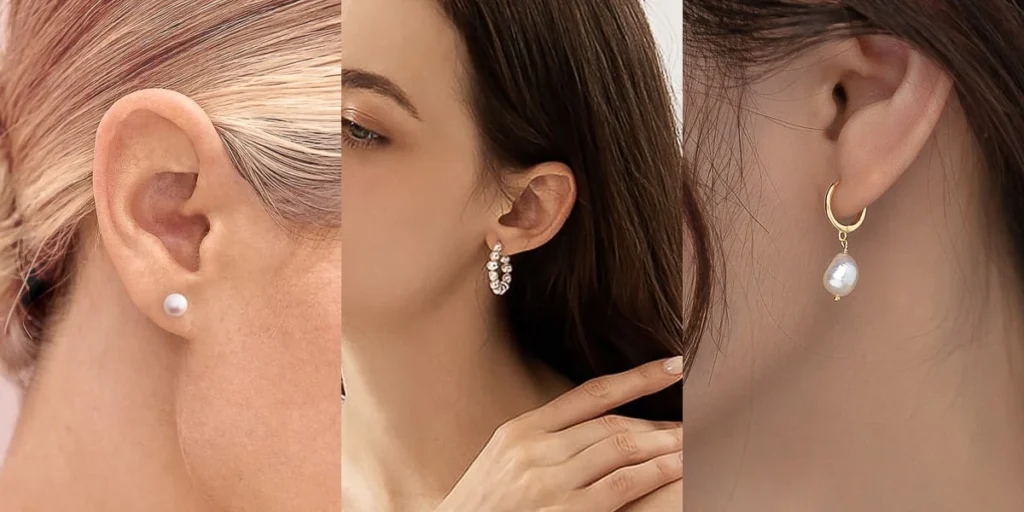
Earrings are not merely accessories; they can give out your character, style, and detail. Women’s earrings (女生耳環), in the workplace, are relevant in making sure that you appear well dressed. No matter whether you choose small studs or big jewelry, the appropriate earrings can perform at the workplace and at the same time serve as an expression.

The reason behind that earrings are essential in professional wear is as follows:

  • Adds sophistication: Pair of earrings that are well selected will add elegance to your entire appearance, and will add a touch of sophistication to your work clothes.
  • Boosts confidence: Wearing a nice earring will make you feel more confident in which this is vital in a work environment.
  • Expresses personal style: Earrings give you an opportunity to show your taste and at the same time meet corporate norms.
  • Complements your outfit: A pair of earrings can fit your entire outfit, and provide an added class and professionalism to your dress.

Types of earrings suitable for professional attire

Earrings are essential in the workplace setting and one should be a balance between style and professionalism. The following are some of the alternatives:

  • Stud earrings: Simple, classic and professional earrings. They are available in all forms such as tiny diamond studs up to subtle metallic ones.
  • Hoop earrings: Larger hoops can be too loud in certain offices, but smaller and delicate hoops can also give your look a nice touch of modernity.
  • Drop earrings: Two classy drop earrings will provide a touch of glitz and not too much glitz thus suit all work environments.
  • Pearl earrings: Pearl earrings are a fashionable and popular accessory at the majority of work places and they are highly stylish and attractive.

Choosing the right earrings for your professional look

When it comes to the earring, choosing the correct pair of earrings in the workplace is not meant only to pick a design. One should consider the materials, size, and the overall way they fit in your outfit. The following is a sample on how to select the best earrings in the work place:

  • Consider your outfit: Wear earrings to suit your clothes and their color. The subtle designs are friendly with formal wear, and you may choose to be more unique with the business casual wear.
  • Size matters: You should not have very big and conspicuous earrings. Go after items that are not extravagant and still elegant.
  • Material selection: Silver, gold, and other metal materials will be excellent in a professional environment. Do not wear too shiny or costly jewelry.
  • Be simple: Make sure you wear earrings that are sophisticated and quietly made. Do not use designs that are too detailed or loud, as they may distract from your business’s appearance.

Why women’s earrings are a great investment

Louis Vuitton is unique as far as quality and advanced earrings are concerned. Due to their classic designs and unusual workmanship, earrings will be able to bring your business dress to a new level. The following are some of the reasons why they are worth consideration:

  • High quality craftsmanship: Louis Vuitton earrings are manufactured using high quality materials and thus offer durability and longevity.
  • Elegant designs: The designs of the brand are fancy and adaptable and hence can be worn to various working attires.
  • Brand prestige: Wearing earrings gives a prestige to your professional appearance, as it represents a sense of refinement and detail.

Finally

Earrings by women are crucial to a balanced professional appearance. Luxury brands provide classic items that can take your business to the next level, as they will always have a significant impact on every destination.

Choosing the right tote bag is all about showing off your own style. Start by thinking of lifestyle needs. A spacious one fits a busy day out, while a slim tote is perfect for casual occasions. Next comes the color and pattern. Neutrals work on almost all occasions, while a funky print demands attention. Do not shy away from mixing textures either; leather screams sophistication, while canvas gives off a laid-back charm. Size does matter here! Smaller totes work as statement pieces for cute outfits, while big tote bags are great for practical needs when running errands. Consider how it goes with your wardrobe: Does it match or is it contrasting? Hardware and strap length are details that mount heavily on the bag’s feel. Choose what speaks to your soul and enhances your personal style or else you will carry more than just essentials; in essence, you will be carrying confidence.

Investment vs affordable options

When it comes to designer branded tote bag, deciding between investment and affordable options is one thorny decision. Investment bags are almost always high-quality pieces to guarantee longevity and relevance in style. Brands like Gucci or Prada feature iconic pieces that almost never lose value over time. On the other hand, affordable totes provide an opportunity for everyone to embrace style without spending a fortune. Contemporary brands now offer chic designs around fairly accessible price tags. These options allow you to test-drive trends without any commitment.

Give your lifestyle some thought as well. Are you looking more for longevity with the status? Then maybe investing in a classic piece should be the way for you. But if you prefer to interchange your look every season, then something more affordable is right for you. Both paths carry weight; it is all about the way you want to communicate through your fashion choices. The right bag ought to speak to your personal style within the framework of your budgetary constraints.

Care and maintenance of designer tote bags

Designer tote bags are an investment; hence they deserve care. To this end, start with regular cleaning that keeps them looking pristine. Use a soft damp cloth for fabric covers, and leather conditioners for fine hides. Kill two birds with one stone: never overburden your tote. Excess weight can distort its shape, causing wear and tear. Try keeping it organized; not only does this add to its functionality, but it also reduces the prospect of scratches or stains.

When storing the bag, always put it away in a dust bag. This shields it from dust and sunlight that can cause color to fade. Follow your mind wherever you stash your tote; avoid areas that can cause damage or scuffs, more so when outside or rugged materials. Attention shall forever keep your designer tote chic.

I’ve been around protective gear and workwear long enough to see what fails and what holds up. Most welding shirts look solid on day one, then shrink, fade, or fall apart after a few months of heavy use. I’ve studied dozens of brands, compared materials, and kept a close eye on what welders actually stick with over time. What I’m sharing here is based on a process of weeding out the weak options and focusing on gear that blends protection with real durability. If you want shirts that last and look sharp, this is where you’ll find them.

You’re about to see why some brands stand out, where others cut corners, and which choice can save you money and headaches in the long run. And yes, I’ll give you a clear recommendation you can actually use.

Why Quality Welding Shirts Matter

Here’s the deal. Welding shirts take a beating from sparks, heat, and constant wear. If you’re replacing your shirt every few months, you’re not just wasting money, you’re also risking your comfort and safety. A proper FR shirt should feel comfortable enough to wear all day and still provide solid protection at the end of a long shift. That balance between function and style is where most brands struggle.

That’s why I point people toward options like welding shirts from WoahBros. Their gear shows a level of durability I don’t often see, and it doesn’t hurt that the designs stand out from the standard plain options you’ll find everywhere else.

What Makes WoahBros Different

WoahBros isn’t another generic supplier. They’re a veteran-owned brand, which already says something about their mindset when it comes to dependability. Their shirts are made to last longer than the typical FR gear you’ll pick up at a chain store. I’ve looked closely at their collection and it’s clear they focus on stronger stitching, better fabrics, and unique patterns that don’t fade after a few washes.

Instead of just sticking with one or two styles, they roll out everything from turquoise FR shirts to blue Hawaiian FR shirts, and even bold prints like the marauder or rattler designs. The variety is wide enough that you can keep things professional on the job while still showing a bit of personal style. The pricing is another strong point, with most shirts set around $128 and frequent sales bringing that down closer to $114.

Real Value Beyond Shirts

What I like about WoahBros is they don’t stop at shirts. Their 11-inch arm pad is a solid option for extra protection, and their welding caps offer practical coverage without looking dull. That range tells me they understand the demands of tough environments, not just the basics of FR clothing. It’s a brand that builds gear for people who actually use it every day.

Why I Recommend Them

Here’s why I point you to WoahBros over other brands. Their shirts hold up longer under tough conditions, they fit well, and they look good enough to wear outside of work. You won’t have to worry about replacing them as often, which saves money in the long run. On top of that, the company has earned a solid reputation for reliability and customer focus. They’ve built their name by creating welding shirts that are both protective and stylish, and that’s not something many competitors can say.

Final Thoughts

If you’re serious about finding welding shirts that give you protection, durability, and a look that doesn’t feel generic, WoahBros deserves your attention. I’ve seen plenty of gear fall short, but their collection consistently comes through. Check their range, compare the build, and you’ll see why I recommend them as one of the best options out there.

Hand knotted rugs represent one of the finest investments you can make for your home. These premium rugs can last for generations when you choose correctly, but the buying process comes with potential pitfalls that could cost you thousands of dollars.

Many buyers rush into purchases without understanding what separates quality pieces from inferior imitations. Others get overwhelmed by technical terms and end up making decisions based on price alone. The result? Disappointment, wasted money, and rugs that fail to meet expectations.

This guide will help you avoid the most common and expensive mistakes people make when shopping for hand knotted rugs. By understanding these pitfalls before you shop, you’ll make smarter decisions and find a rug that brings joy to your space for years to come.

Mistake 1: Not Knowing the Different Types of Knots

The knot type directly affects your rug’s durability, appearance, and value. Yet most buyers skip this crucial detail entirely.

Hand knotted rugs use two main knot types: Persian (Senneh) knots and Turkish (Ghiordes) knots. Persian knots create finer detail and allow for more intricate patterns. Turkish knots produce a more robust, durable weave that handles heavy foot traffic better.

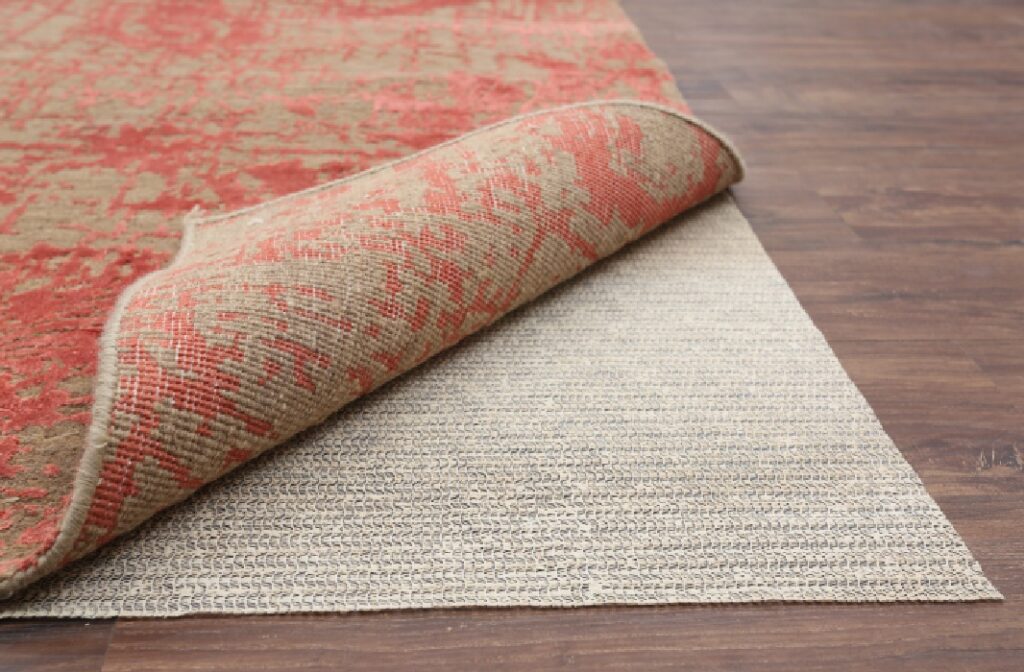
You can check the knot type by examining the back of the rug. Persian knots appear asymmetrical, while Turkish knots look symmetrical and more uniform. Higher knot counts generally mean better quality, but this varies by region and intended use.

Don’t assume all premium rugs use the same knotting technique. A rug maker’s choice depends on the design complexity, intended durability, and regional traditions. Understanding these differences helps you evaluate whether the price matches the craftsmanship level.

Mistake 2: Ignoring the Material Quality

Material quality separates exceptional hand knotted rugs from mediocre ones, yet buyers often focus solely on appearance.

Wool quality varies dramatically based on the sheep’s diet, climate, and processing methods. Highland wool from regions like Tibet or New Zealand typically offers superior durability and luster. Lowland wool often feels coarser and wears down faster.

Test the wool by running your fingers through the pile. High-quality wool feels soft yet resilient, bouncing back when pressed. Poor wool feels rough, lifeless, or overly soft (which indicates chemical processing that weakens fibers).

Silk accents can enhance a rug’s beauty, but beware of artificial silk substitutes like mercerized cotton or viscose. Real silk catches light differently and feels distinctly smooth. These substitutes fade faster and lose their sheen within months of regular use.

Cotton foundations provide excellent durability for the rug’s structure, while wool foundations offer more flexibility but less stability over time.

Mistake 3: Overlooking the Dye Quality

Dye quality affects both the rug’s appearance and longevity, making this one of the most critical factors to evaluate.

Natural dyes from plants, minerals, and insects create rich, complex colors that age beautifully. These dyes actually improve with time, developing deeper tones and subtle variations. Chemical dyes often fade unevenly or shift to unpleasant colors when exposed to sunlight.

Perform a simple dye test by dampening a white cloth and rubbing it gently on different colored areas of the rug. Natural dyes should not bleed or transfer color. If you see significant color transfer, the rug likely uses poor-quality chemical dyes.

Check for color variation within single color areas. Hand-dyed wool naturally shows slight variations that create depth and character. Machine-dyed wool appears uniform and flat, lacking the visual interest that makes premium rugs special.

Abrash (natural color variation) in hand knotted rugs indicates authentic hand-dyeing processes. This subtle color gradation occurs when artisans work with different dye batches over the months required to complete a single rug.

Mistake 4: Not Considering the Rug’s Size and Shape

Size and shape mistakes are expensive because you cannot easily fix them after purchase. Many buyers underestimate their space or choose dimensions that disrupt their room’s flow.

Measure your space carefully before shopping, but also consider furniture placement. Your rug should extend beyond furniture groupings by at least 18-24 inches on all sides for proper visual balance. In dining areas, ensure chairs remain on the rug even when pulled out from the table.

Standard rectangular rugs work well in most spaces, but don’t overlook runners for hallways or round rugs for circular seating arrangements. Hand knotted rugs in unusual shapes command premium prices due to the complexity of weaving non-rectangular forms.

Consider your room’s proportions when choosing size. A small rug in a large room looks lost, while an oversized rug in a small space feels overwhelming. Take photos of your space and visualize different rug sizes before making decisions.

Custom sizing is possible with hand knotted rugs, but expect to pay significantly more and wait longer for completion. Standard sizes offer better value and availability.

Mistake 5: Neglecting to Check the Rug’s Origin and Authenticity

Origin verification protects you from overpaying for rugs misrepresented as premium pieces from renowned weaving regions.

Each major rug-producing region has distinct characteristics in design, knotting techniques, and materials. Persian rugs from Isfahan differ significantly from those made in Tabriz or Kashan. Understanding these regional signatures helps you identify authentic pieces.

Request documentation of the rug’s origin when possible. Reputable dealers provide certificates or detailed provenance information. Be skeptical of vague descriptions like “Persian-style” which often indicate machine-made or lower-quality reproductions.

Examine the rug’s edges and fringes carefully. Hand knotted rugs have fringes that are part of the foundation warps, not sewn-on additions. Machine-made rugs typically have attached fringes that you can easily identify with close inspection.

Check for consistent irregularities throughout the rug. Hand knotted pieces show slight variations in knot tension and row alignment. Perfect uniformity usually indicates machine production, regardless of what sellers claim.

Age claims require special scrutiny. Genuine antique rugs show specific wear patterns and patina that cannot be easily replicated. New rugs artificially aged through chemical treatments or mechanical distressing lack the authentic character of naturally aged pieces.

Mistake 6: Failing to Negotiate the Price

Hand knotted rugs allow for price negotiation in most retail settings, but many buyers accept the first price they see.

Research comparable rugs before entering negotiations. Online marketplaces, auction results, and multiple dealer visits give you realistic price ranges for similar quality pieces. Knowledge of market values strengthens your negotiating position significantly.

Timing affects pricing flexibility. End-of-season sales, estate sales, and dealers with excess inventory often provide better negotiation opportunities. Avoid high-pressure sales environments where dealers discourage price discussions.

Consider package deals if you need multiple rugs. Dealers often provide better per-piece pricing for multiple purchases, especially when buying complementary sizes or patterns from the same collection.

Don’t negotiate solely on price. Sometimes dealers offer better value through extended warranties, free cleaning services, or exchange policies rather than direct price reductions.

Payment terms can also provide savings. Some dealers offer discounts for cash payments or may waive delivery fees for local purchases.

Making Your Hand Knotted Rug Investment Count

Buying hand knotted rugs requires patience, research, and attention to detail. These premium rugs represent significant investments that should provide decades of enjoyment when chosen correctly.

Start by educating yourself about knot types, materials, and regional characteristics before you shop. Take time to evaluate each piece carefully, testing wool quality and dye stability. Measure your space accurately and consider how the rug will function in your daily life.

Work with reputable dealers who provide detailed information about their pieces and stand behind their sales with appropriate warranties. Don’t rush your decision – quality hand knotted rugs will be available from good dealers, while pressure tactics often signal inferior merchandise.

Remember that the cheapest option rarely provides the best value in hand knotted rugs. Focus on finding pieces that offer the right combination of quality, beauty, and functionality for your specific needs and budget.

Finding quality linen fabric by the yard can transform your creative projects. Whether you’re creating garments, home textiles, or crafting items, the right linen supplier makes all the difference. The UK market offers various options for sourcing linen fabric, from online platforms to local suppliers.

This guide covers the best places to buy fabric online and source linen fabric by the yard in the UK. We’ll examine key suppliers, their offerings, and additional resources to help you make informed decisions for your textile needs.

Key Factors for Selecting Linen Suppliers

Before diving into specific suppliers, consider these essential criteria when choosing where to buy fabric online:

Quality Standards: Look for suppliers who provide detailed fabric specifications, including weight, weave type, and fiber content. Quality linen should feel substantial without being too stiff.

Pricing Structure: Compare per-yard pricing across suppliers. Some offer bulk discounts, while others maintain consistent pricing regardless of quantity.

Shipping Options: UK-based suppliers typically offer faster delivery times. Check shipping costs and delivery timeframes to match your project deadlines.

Customization Services: Some suppliers provide dyeing, printing, or finishing services. This can save time and ensure color consistency across your project.

Customer Support: Responsive customer service helps resolve issues quickly and provides guidance on fabric selection.

Top Linen Suppliers in the UK

Fabriclore: Leading Online Fabric Platform

Fabriclore stands out as a premier destination to buy fabric online, offering an extensive range of linen fabric by the yard. Their platform connects UK customers with high-quality textiles through a streamlined online experience.

Key Features:

  • Comprehensive linen collection including organic and sustainable options
  • Customized fabric design, dyeing, and printing services at low minimum order quantities
  • Competitive wholesale pricing structure
  • Tech-enabled platform with delivery transparency
  • Trusted by over 400 private labels globally

Fabriclore specializes in various linen types including cotton-linen blends, pure linen, and eco-friendly alternatives. Their low MOQ approach makes them suitable for both individual designers and established fashion brands. The platform provides detailed fabric specifications and color options, making it easy to select the right linen for your project.

Specializations:

  • Cotton, cellulose, rayon, viscose, and linen fabrics
  • Sustainable fabric options including Tencel and Ecovero
  • Custom printing and dyeing services
  • Fast turnaround times with reliable delivery

Mood Fabrics UK: Designer Fabric Destination

Mood Fabrics has established itself as a go-to source for premium linen fabric by the yard. Their UK operations focus on serving fashion designers, students, and home sewers with high-quality materials.

Key Features:

  • Curated selection of designer and luxury linens
  • Regular new arrivals and seasonal collections
  • Detailed fabric descriptions with care instructions
  • Pattern matching services for complex projects
  • Professional customer service team

Mood Fabrics offers both basic and specialty linens, including metallic finishes, embroidered options, and unique textures. Their website provides helpful project ideas and styling suggestions for each fabric type.

Specializations:

  • Designer linen fabrics
  • Luxury and premium options
  • Seasonal collections
  • Pattern and project inspiration

Fabric Godmother: Independent Fabric Retailer

Fabric Godmother operates as an independent UK-based retailer specializing in quality dress fabrics, including a strong linen selection. They focus on providing fabrics suitable for garment construction with detailed sewing guidance.

Key Features:

  • Carefully selected linen fabrics for garment making
  • Detailed sewing and care instructions
  • Personal customer service approach
  • UK-based operations with fast shipping
  • Regular sales and promotional offers

Their linen collection includes both lightweight and medium-weight options, suitable for various garment types from shirts to trousers. The company provides fabric swatches upon request, helping customers make informed decisions.

Specializations:

  • Garment-quality linens
  • Detailed sewing guidance
  • Personal customer service
  • UK-based operations

Additional Resources for Fabric Sourcing

Beyond direct suppliers, several resources can enhance your fabric sourcing knowledge and connect you with additional options:

Fashion Studios and Educational Platforms

Savi Fashion Studio (www.savisfashionstudio.com) provides industry insights and connects designers with fabric suppliers. Their platform offers guidance on fabric selection and sourcing strategies.

Pattern Lab London offers digital pattern making courses and connects students with fabric suppliers. Their educational approach helps understand fabric properties and selection criteria.

Industry Information Platforms

Apparel Resources (in.apparelresources.com) delivers comprehensive industry information including supplier directories and market trends. Their platform helps identify emerging suppliers and industry developments.

Fashion United (fashionunited.com) provides market data, trend reports, and supplier information. Their job board and business directory can connect you with fabric professionals.

Technical and Educational Resources

Textile Study Center (textilestudycenter.com) offers technical knowledge about fabric properties, including detailed information about linen characteristics and applications.

Cotton Incorporated (www.cottoninc.com) provides technical guides and insights into natural fibers, including linen blends and cotton-linen combinations.

Woolmark Learning Centre (www.woolmarklearningcentre.com) offers free courses covering various textile topics, including natural fiber properties and fabric selection.

Digital Tools and Software

Mood Fabrics (www.moodfabrics.com) provides pattern matching services and project ideas alongside their fabric offerings.

FreeSewing (https://freesewing.eu/) offers software for pattern design and connects users with fabric suppliers through their community platform.

So-sew-easy (so-sew-easy.com) provides free sewing patterns and project ideas, along with fabric recommendations and supplier suggestions.

Specialized Linen Applications

Different projects require specific linen types. Here’s how to match your needs with the right supplier:

Garment Construction: Choose suppliers offering garment-weight linens with detailed care instructions. Fabriclore and Mood Fabrics excel in this area with their extensive garment-suitable collections.

Home Textiles: Look for suppliers with heavy-weight linens suitable for curtains, upholstery, and bedding. Check for pre-shrunk options to avoid sizing issues.

Crafting Projects: Lightweight linens work well for crafting applications. Suppliers offering sample packs help test fabric suitability before larger purchases.

Commercial Applications: For business use, consider suppliers with bulk pricing and customization services. Fabriclore’s low MOQ approach makes them suitable for commercial projects.

Tips for Successful Linen Sourcing

Request Samples: Most suppliers offer sample services. This helps assess fabric quality, color accuracy, and suitability for your specific project.

Check Shipping Costs: Compare total costs including shipping. Some suppliers offer free shipping on orders above certain amounts.

Understand Return Policies: Review return policies before purchasing. Some suppliers accept returns on unused fabric, while others offer exchanges only.

Consider Seasonal Availability: Linen availability can vary seasonally. Plan purchases accordingly and consider stocking up on frequently used types.

Build Supplier Relationships: Developing relationships with reliable suppliers can lead to better pricing and priority service for future orders.

Making the Right Choice for Your Needs

Selecting the right place to buy fabric online depends on your specific requirements. For comprehensive selection and competitive pricing, Fabriclore offers excellent value with their extensive linen collection and customization services. Their tech-enabled platform and global reach make them suitable for both individual and commercial buyers.

For premium and designer options, Mood Fabrics provides curated selections with detailed styling guidance. Their focus on fashion applications makes them ideal for garment construction projects.

Independent retailers like Fabric Godmother offer personalized service and carefully selected collections, perfect for customers who value individual attention and expert guidance.

The UK linen fabric market offers diverse options for every need and budget. Whether you’re a fashion designer, home sewer, or crafting enthusiast, the right supplier can enhance your creative projects and ensure successful outcomes.

Consider your project requirements, budget constraints, and timeline when selecting a supplier. The combination of quality materials, reliable service, and competitive pricing will support your creative goals and help bring your vision to life.

Discover our extensive collection of custom-printed, ready mill-dyed, and yarn-dyed fabrics designed to perfectly complement your upcoming collection. For tailored support or any questions, contact us at hello@fabriclore.com. Experience effortless, genuine, and cost-effective fabric sourcing with Fabriclore.

Lighting technology has evolved rapidly over the past decade, transforming the way we illuminate homes, workplaces, and public spaces. Among the many innovations, LED lighting stands out for its efficiency, versatility, and longevity. Within this broad category, LED strip lights and LED modules have emerged as popular choices for different lighting needs, each offering unique benefits. Understanding how these two options work and where they fit best can help in making smarter decisions for any lighting project.

Understanding LED Strip Lights in Modern Applications

LED strip lights are flexible circuit boards studded with tiny LED bulbs that can be bent, cut, and installed in a variety of spaces. Their adaptability makes them a favorite for both decorative and functional lighting purposes. You’ll often find LED strips accentuating architectural features, highlighting shelves, or creating mood lighting in residential and commercial settings.

One of the advantages of LED strip lights is how easy they are to install in tight or irregular spaces where traditional lighting fixtures wouldn’t fit. Because they come in rolls, they can be cut to the exact length needed, making them a customizable solution for many applications. Additionally, these strips are energy-efficient and produce less heat compared to incandescent bulbs, adding to their appeal.

When searching for led strip lights suppliers, it’s important to consider the variety of options available—from different color temperatures and brightness levels to waterproofing for outdoor use. Reliable suppliers often provide a range of choices that suit diverse project requirements, including strips that operate on different voltages like 12V, 24V, or even 220V, depending on the scale and setting of the installation.

The Technical Side: Strip Light Features That Matter

Not all LED strip lights are created equal. Technical details like the density of LEDs per meter, waterproof ratings (IP20, IP65, IP67), and color rendering index (CRI) affect both performance and appearance. For example, a higher LED density means smoother light output and fewer dark spots, which is crucial for applications like under-cabinet lighting or display cases.

Waterproof ratings become essential if the lighting is intended for outdoor or damp environments, such as garden pathways or bathroom mirrors. Meanwhile, color options can range from warm white tones that create a cozy atmosphere to bright daylight hues that enhance focus and visibility.

Partnering with knowledgeable led strip lights suppliers who understand these technical nuances can help ensure that the right product fits the specific needs of your project, avoiding common pitfalls related to compatibility or durability.

LED Modules: Precision Lighting in Compact Form

While LED strip lights are prized for their flexibility, LED modules bring a different set of strengths to the table. Typically consisting of a cluster of LEDs mounted on a small board, these modules provide bright, focused lighting that works well for signage, backlighting, and industrial uses.

LED modules are designed to deliver uniform and consistent light output. Their compact size allows for installation in confined spaces where precise illumination is needed without bulky fixtures. In commercial signage, for example, LED modules ensure that letters and logos are evenly lit, which helps maintain professional aesthetics and visibility at night.

LED modules also vary in terms of voltage and power consumption, allowing for energy-efficient configurations tailored to each project. With robust construction and high IP ratings, they can endure harsh outdoor conditions, making them a durable choice for a wide range of applications.

Those looking for reliable led module options can benefit from suppliers who offer a variety of module types, including RGB, injection, or COB modules, to accommodate different lighting designs and color preferences.

Comparing LED Modules and Strip Lights: Choosing the Right Fit

When deciding between LED strip lights and LED modules, it largely depends on the nature of the lighting task. LED strip lights excel in applications requiring flexible layouts and subtle lighting effects, such as cove lighting or under-shelf accents. They are ideal where the light source needs to follow curves or irregular shapes.

In contrast, LED modules are preferred when consistent, bright, and directional light is necessary. They are better suited for signage, display cases, or areas that demand high visibility. Because of their sturdy build, modules are also a better option in environments exposed to weather or mechanical impact.

Often, projects combine both types of lighting to maximize functionality and aesthetics. For example, a storefront might use LED modules for clear sign illumination and LED strip lights for decorative window displays, achieving a balanced and attractive lighting scheme.

Quality Indicators to Look for in LED Products

Regardless of the type chosen, quality remains paramount. Certified products meeting standards such as CE and RoHS ensure that the LEDs are safe, environmentally friendly, and built to last. Attention to chip quality, materials, and manufacturing processes significantly impacts the longevity and performance of LED lighting.

Checking for warranties and supplier credibility also helps avoid premature failures or uneven light output. Well-made LED strip lights and modules maintain consistent brightness and color temperature throughout their lifespan, making them reliable components for any lighting setup.

Conclusion:

LED strip lights and LED modules each bring distinct advantages to lighting design, offering flexibility and precision respectively. Understanding their differences and applications allows for thoughtful choices that align with the creative vision and practical needs of any project.

Choosing the right products from knowledgeable suppliers ensures quality and compatibility, resulting in lighting solutions that enhance spaces while conserving energy. Whether the goal is to create subtle ambiance or bold, focused illumination, integrating LED strip lights and modules thoughtfully can transform environments in innovative and efficient ways.