

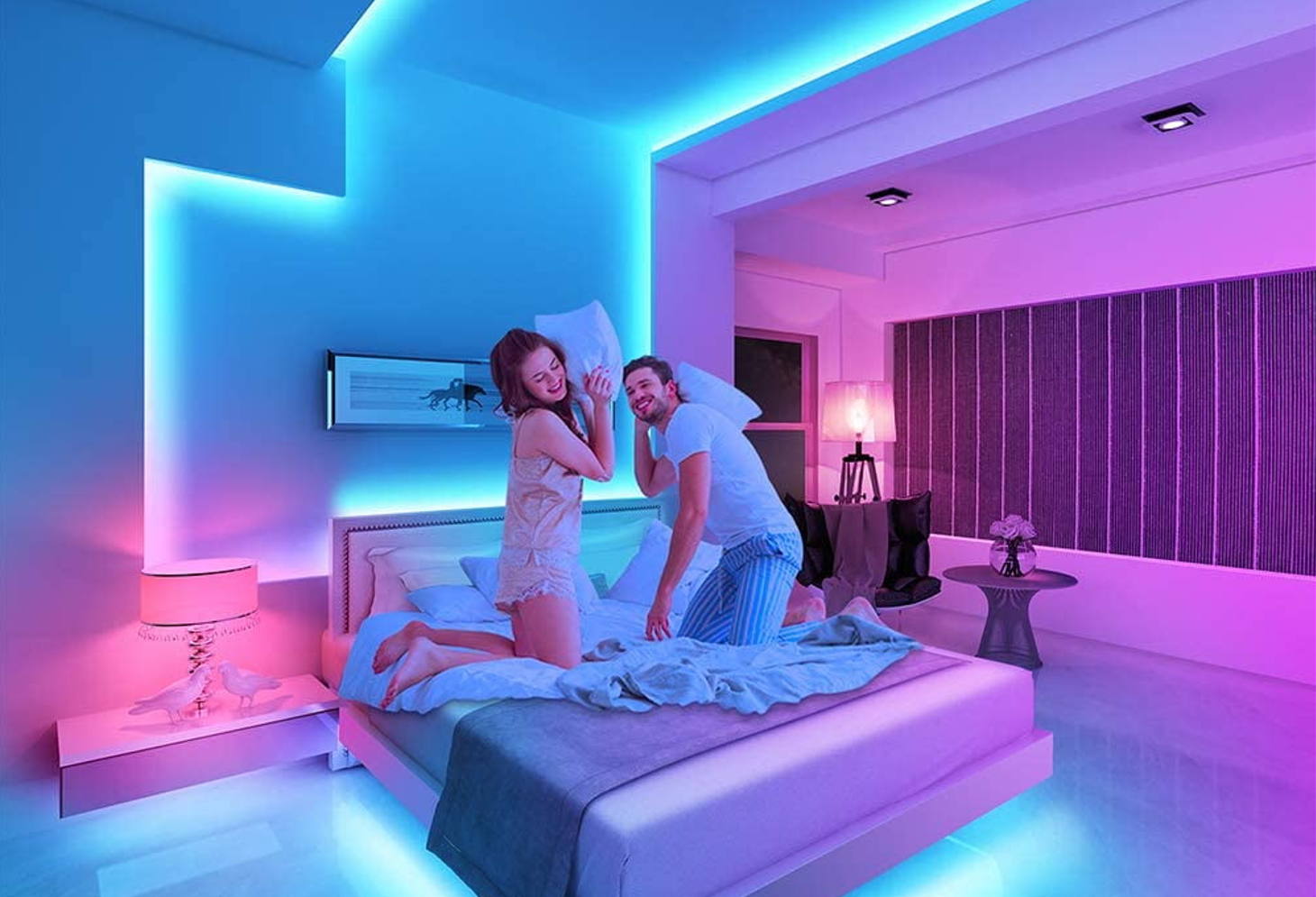
Lighting technology has evolved rapidly over the past decade, transforming the way we illuminate homes, workplaces, and public spaces. Among the many innovations, LED lighting stands out for its efficiency, versatility, and longevity. Within this broad category, LED strip lights and LED modules have emerged as popular choices for different lighting needs, each offering unique benefits. Understanding how these two options work and where they fit best can help in making smarter decisions for any lighting project.
Understanding LED Strip Lights in Modern Applications
LED strip lights are flexible circuit boards studded with tiny LED bulbs that can be bent, cut, and installed in a variety of spaces. Their adaptability makes them a favorite for both decorative and functional lighting purposes. You’ll often find LED strips accentuating architectural features, highlighting shelves, or creating mood lighting in residential and commercial settings.
One of the advantages of LED strip lights is how easy they are to install in tight or irregular spaces where traditional lighting fixtures wouldn’t fit. Because they come in rolls, they can be cut to the exact length needed, making them a customizable solution for many applications. Additionally, these strips are energy-efficient and produce less heat compared to incandescent bulbs, adding to their appeal.
When searching for led strip lights suppliers, it’s important to consider the variety of options available—from different color temperatures and brightness levels to waterproofing for outdoor use. Reliable suppliers often provide a range of choices that suit diverse project requirements, including strips that operate on different voltages like 12V, 24V, or even 220V, depending on the scale and setting of the installation.
The Technical Side: Strip Light Features That Matter
Not all LED strip lights are created equal. Technical details like the density of LEDs per meter, waterproof ratings (IP20, IP65, IP67), and color rendering index (CRI) affect both performance and appearance. For example, a higher LED density means smoother light output and fewer dark spots, which is crucial for applications like under-cabinet lighting or display cases.
Waterproof ratings become essential if the lighting is intended for outdoor or damp environments, such as garden pathways or bathroom mirrors. Meanwhile, color options can range from warm white tones that create a cozy atmosphere to bright daylight hues that enhance focus and visibility.
Partnering with knowledgeable led strip lights suppliers who understand these technical nuances can help ensure that the right product fits the specific needs of your project, avoiding common pitfalls related to compatibility or durability.
LED Modules: Precision Lighting in Compact Form
While LED strip lights are prized for their flexibility, LED modules bring a different set of strengths to the table. Typically consisting of a cluster of LEDs mounted on a small board, these modules provide bright, focused lighting that works well for signage, backlighting, and industrial uses.
LED modules are designed to deliver uniform and consistent light output. Their compact size allows for installation in confined spaces where precise illumination is needed without bulky fixtures. In commercial signage, for example, LED modules ensure that letters and logos are evenly lit, which helps maintain professional aesthetics and visibility at night.
LED modules also vary in terms of voltage and power consumption, allowing for energy-efficient configurations tailored to each project. With robust construction and high IP ratings, they can endure harsh outdoor conditions, making them a durable choice for a wide range of applications.
Those looking for reliable led module options can benefit from suppliers who offer a variety of module types, including RGB, injection, or COB modules, to accommodate different lighting designs and color preferences.
Comparing LED Modules and Strip Lights: Choosing the Right Fit
When deciding between LED strip lights and LED modules, it largely depends on the nature of the lighting task. LED strip lights excel in applications requiring flexible layouts and subtle lighting effects, such as cove lighting or under-shelf accents. They are ideal where the light source needs to follow curves or irregular shapes.
In contrast, LED modules are preferred when consistent, bright, and directional light is necessary. They are better suited for signage, display cases, or areas that demand high visibility. Because of their sturdy build, modules are also a better option in environments exposed to weather or mechanical impact.
Often, projects combine both types of lighting to maximize functionality and aesthetics. For example, a storefront might use LED modules for clear sign illumination and LED strip lights for decorative window displays, achieving a balanced and attractive lighting scheme.
Quality Indicators to Look for in LED Products
Regardless of the type chosen, quality remains paramount. Certified products meeting standards such as CE and RoHS ensure that the LEDs are safe, environmentally friendly, and built to last. Attention to chip quality, materials, and manufacturing processes significantly impacts the longevity and performance of LED lighting.
Checking for warranties and supplier credibility also helps avoid premature failures or uneven light output. Well-made LED strip lights and modules maintain consistent brightness and color temperature throughout their lifespan, making them reliable components for any lighting setup.
Conclusion:
LED strip lights and LED modules each bring distinct advantages to lighting design, offering flexibility and precision respectively. Understanding their differences and applications allows for thoughtful choices that align with the creative vision and practical needs of any project.
Choosing the right products from knowledgeable suppliers ensures quality and compatibility, resulting in lighting solutions that enhance spaces while conserving energy. Whether the goal is to create subtle ambiance or bold, focused illumination, integrating LED strip lights and modules thoughtfully can transform environments in innovative and efficient ways.

Comments are closed.